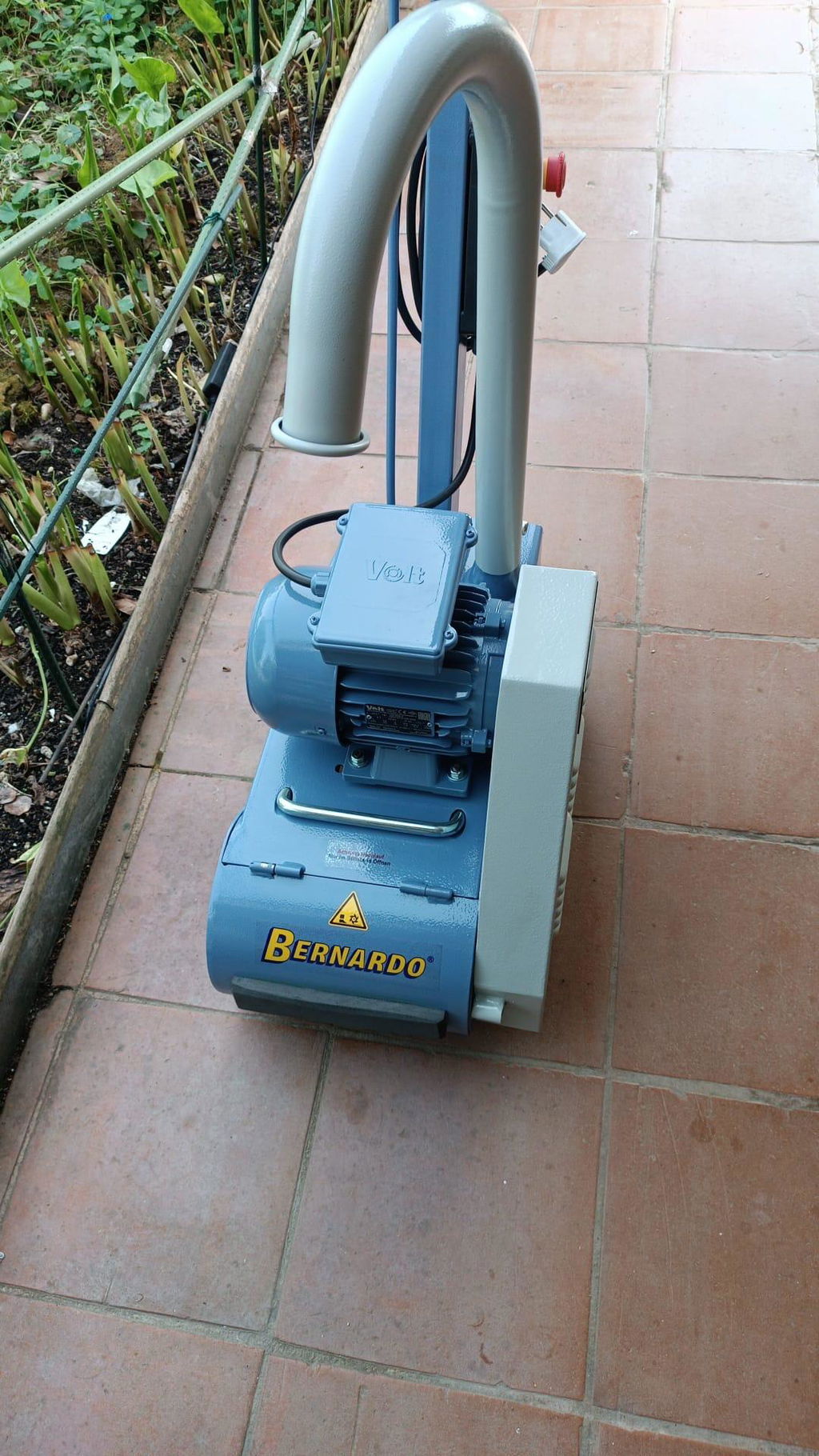


Planing wood is one of the fundamental techniques in woodworking, used to obtain smooth and even surfaces, remove imperfections, and prepare wood for further processing. In this guide, I will walk you through the essential steps to plane wood correctly, from the necessary tools to basic techniques.
Wood planing is a process that transforms a rough board into a perfectly smooth surface, ready for finishing. Whether you are building furniture, repairing a piece of wood, or simply aiming for a smooth surface, knowing how to plane wood is an essential skill. The process requires patience, precision, and the right equipment.
Practical tip: When you start planing, take the time to observe the wood grain direction. Working with the grain, rather than against it, reduces the risk of tear-out and ensures a smoother finish.
Tools Needed for Planing Wood
To achieve a professional result, it's crucial to have the right tools. There are different types of planers, each with specific features that make them suitable for certain types of work. Let's look at the main tools you'll need.
Hand Planer

The hand planer is a classic tool in woodworking. It consists of a wooden or metal body with a sharp, angled blade that protrudes slightly from the sole. There are various types of hand planers, including:
- Smoothing plane: perfect for removing small amounts of wood and for finishing work.
- Finishing plane: used to smooth the wood surface and remove imperfections after cutting.
- Fore plane: ideal for quickly removing large amounts of material and leveling uneven surfaces.
Electric Planer

The electric planer is the modern evolution of the hand planer. Equipped with an electric motor, it allows for faster and more uniform material removal. It is particularly useful for working on large surfaces or for jobs that require greater precision.
- Advantages: The electric planer reduces the time needed to plane wood and requires less physical effort compared to a hand planer.
- Disadvantages: It can be more difficult to control, especially for beginners, and can remove too much material if not used correctly.
Practical tip: When using an electric planer, I prefer to start with a minimal cutting depth, gradually increasing it if necessary. This approach gives you greater control and prevents accidentally removing too much wood.
Accessories
In addition to the planer itself, there are some accessories that can make the job easier and safer:
- Sandpaper: useful for sanding the surface after planing and for removing any remaining imperfections.
- Square: essential for checking that the wood edges are perfectly straight and for correctly aligning the planer.
- Clamps: keep the workpiece steady during planing, reducing the risk of errors and improving work precision.
Practical tip: Before you start planing, make sure to firmly secure the piece of wood with clamps. This will allow you to work with both hands on the planer, ensuring better control and greater safety.
These tools and accessories are the foundation for effective and precise planing. With the right equipment, you'll be ready to tackle any wood planing project with confidence. In the next sections, we'll explore planing techniques, how to prepare the wood, and the steps to achieve a smooth and uniform surface.
Professional Planers

For those seeking high-precision results or needing to work on professional projects, there are more advanced and specific electric planers, ideal for different types of woodworking.

- Jointer with spiral cutterhead: Optimized for very high-precision finishes, this jointer is perfect for artisanal work requiring impeccable detail. The spiral cutterhead reduces imperfections and ensures a uniform finish.
- Jointer/thicknesser with spiral cutterhead: Combines the functions of jointing and thicknessing, offering exceptional versatility. This planer is ideal for those working on projects that require both techniques with a single tool.
- Thicknesser: Perfect for evening out the thickness of wood on large surfaces, this planer offers efficiency and precision, essential for preparing wood for finishing or further processing.
- Thicknesser with spiral cutterhead: Ideal for those seeking a particularly smooth and uniform finish, especially on large surfaces. The spiral cutterhead ensures a significant reduction in streaks and imperfections.
- Jointers: These machines are designed to smooth the edges of wood, preparing it for further processing or finishing. They offer precision and are essential for those who want to carefully prepare wood.
- Jointer-thicknessers: Versatile machines that allow both jointing and thicknessing with a single tool. They are ideal for those working on complex projects that require both techniques.
Practical tip: When working with professional planers, it is crucial to pay attention to machine adjustment to achieve the desired result. Precise setting of the spiral cutterhead and cutting depth can make the difference between standard work and high-quality work.
Wood Preparation
Before you begin planing, it's crucial to prepare the wood correctly. Preparation helps you avoid problems during planing and achieve a smooth and uniform surface. Let's look at the key steps for proper preparation.
Choosing the Wood
The first thing to do is choose the right wood for your project. Not all types of wood behave the same way during planing, so it's important to know the characteristics of the wood you are about to work with.
- Softwoods like pine and spruce are easier to plane, but they can tend to chip if not handled carefully.
- Hardwoods like oak and maple require more effort and a very sharp blade, but they offer a smoother and more durable finish.
Practical tip: If you are a beginner, start with softwoods to get comfortable with the technique. As you gain experience, you can move on to hardwoods.
Securing the Wood
To plane safely and accurately, the wood must be securely fastened to the workbench. Here's how to do it correctly:
- Use clamps: Place the wood on the bench and secure it with clamps. Make sure the wood is completely stable and cannot move while you work.
- Positioning: Secure the wood so that the grain is oriented in the direction of the planer's movement. This reduces the risk of tear-out and facilitates planing.
Practical tip: If the wood is particularly long, use multiple clamps distributed along its length to prevent it from bending or moving during planing.
Planing Techniques
Now that the wood is ready, it's time to start planing. The technique you use will have a big impact on the final result, so it's important to follow some key steps to achieve a smooth and uniform surface.
Planer Setup
Before you start planing, you need to adjust the planer correctly:
- Blade angle: The blade angle determines how much wood will be removed with each pass. For rough planing, set the blade to a lower angle. For finishing, a higher angle will ensure a smoother surface.
- Cutting depth: Adjust the cutting depth according to the amount of material you want to remove. Start with a minimum depth, especially if you are working with hardwoods or if the surface is already relatively smooth.
Practical tip: If you're unsure what cutting depth to use, always test it on a scrap piece of the same wood. This will help you avoid errors on the main piece.
Straight Planing
Once the planer is set up, you can start planing:
- Uniform motion: Place the planer at the beginning of the workpiece, with the blade slightly raised. Start pushing the planer along the length of the wood with a uniform and fluid motion. Maintain constant pressure and make sure to follow the wood grain.
- Pressure distribution: At the beginning of the pass, apply light pressure to the front of the planer. As you proceed along the piece, distribute the pressure evenly. Towards the end, shift the pressure to the back of the planer to avoid chipping the wood.
Practical tip: To achieve a completely smooth surface, make overlapping passes, covering the entire area. Be careful not to tilt the planer, to avoid creating grooves in the wood.
Final Planing
After removing most of the material, it's time for final planing to achieve a smooth surface, ready for finishing:
- Light passes: Adjust the planer to remove only a small amount of wood per pass. This allows you to smooth out any imperfections without risking removing too much material.
- Surface inspection: After each pass, check the wood surface for any imperfections. If necessary, repeat the pass until you achieve a perfectly smooth surface.
Practical tip: If you notice small imperfections or scratches after planing, use fine sandpaper to finish the surface. This will remove any marks left by the planer and prepare the wood for painting or finishing.
With these techniques, you'll be able to plane wood effectively, achieving smooth surfaces ready for any type of project. Practice is essential, so don't be discouraged if your first attempts aren't perfect. Over time, you'll master these techniques and be able to tackle even the most complex projects with confidence.

Safety Measures During Planing
Planing wood, while seemingly simple, requires attention and precautions to avoid accidents. Safety should always be your priority, whether you are using a hand planer or an electric one. Here are some essential safety measures to follow.
Personal Protection
Before you start planing, make sure you have the necessary protective equipment:
- Safety glasses: Protect your eyes from wood chips and dust, which can be ejected during planing.
- Durable gloves: Useful for protecting your hands from cuts and for improving your grip on the planer, especially if you are working for long sessions.
- Dust mask: Important especially if you are working with woods that produce a lot of dust or if you are using an electric planer, which tends to generate more debris.
Practical tip: If you work for prolonged periods, consider taking regular breaks to avoid fatigue, which can compromise your concentration and, consequently, your safety.
Safe Work Environment
A well-organized and safe work environment is essential to prevent accidents:
- Cleanliness and order: Keep the work area clean and free of obstacles. Accumulated wood chips and dust can make the floor slippery, increasing the risk of falls.
- Ventilation: If you are working in an enclosed space, make sure it is well-ventilated. Planing can produce fine dust, which is best avoided inhaling directly.
- Adequate lighting: Make sure you have sufficient lighting to clearly see the workpiece you are working on. Working in poor lighting conditions can lead to errors and accidents.
Practical tip: Position a work light directly over the planing area. This will help you see the piece clearly and identify any imperfections or problems during processing.
Planer Maintenance
Maintaining your planer in good condition is essential for effective and safe planing. A well-maintained planer not only facilitates the work but also extends the tool's lifespan. Here's how to care for your planer.
Blade Sharpening
A sharp blade is fundamental for achieving a clean and precise cut:
- Regular inspection: Check the condition of the blade before each use. If you notice that the cut is no longer smooth or that you have to apply more force to plane, it's likely that the blade needs sharpening.
- Sharpening: You can sharpen the planer blade using a sharpening stone or a sharpening machine. Make sure to maintain the correct angle during sharpening to avoid damaging the blade.
Practical tip: To keep the blade sharp longer, avoid planing wood that contains glue or paint residues, as these materials can quickly dull the blade.
Cleaning and Storage
After each use, it's important to clean and store the planer correctly:
- Chip removal: Remove all accumulated chips and dust from inside the planer. This prevents moisture buildup, which could cause rust or damage internal components.
- Lubrication: Apply a light coat of oil to the blade and moving parts of the planer to prevent rust and ensure mechanisms work smoothly.
- Storage: Store the planer in a dry place away from moisture sources. If possible, cover it with a case or cloth to protect it from dust.
Practical tip: If you don't plan to use the planer for an extended period, consider disassembling the blade and storing it separately after oiling it thoroughly. This will help prevent rust and keep the blade in optimal condition.
Troubleshooting Common Problems
Even with the best preparation and utmost care, some problems can arise while planing wood. Fortunately, many of these are easily solvable with a little experience and the right measures. Here are some of the most common problems you might encounter and how to deal with them.
Managing Tear-Out
One of the most frequent problems during planing is wood tear-out, which can damage the surface and necessitate further sanding or, in the worst cases, compromise the entire piece of wood.
- Cause: Tear-out occurs when the plane blade works against the wood grain, lifting fibers instead of cutting them.
- Solution: To avoid tear-out, it is essential to always plane along the direction of the wood grain. If you notice tear-out, try changing the planing angle or reducing the depth of cut.
Practical Tip: If you are forced to work against the grain (for example, on wood with interlocking grain), try planing with very light passes and a very sharp blade to minimize the risk of tear-out.
Surface Leveling
Another common problem is the difficulty in perfectly leveling a surface, especially if the wood already has significant irregularities.
- Cause: Irregularities can result from uneven planing, a tilted plane during a pass, or a warped wood surface.
- Solution: To level an irregular surface, start by planing across the length of the piece. This helps remove the most obvious irregularities. Then, go back to planing along the grain direction to achieve a uniform finish.
Practical Tip: While planing, regularly check the surface level with a square or a ruler. This will allow you to quickly identify areas that require further work and avoid removing too much material in a specific spot.
Conclusion
Wood planing is one of the fundamental techniques in woodworking, requiring practice, attention to detail, and the right equipment. By following the steps and techniques we've explored, you can achieve smooth surfaces ready for any type of finish.
Remember that preparation is key: choosing the right wood, securing it properly, and ensuring your plane is sharp and ready for use are essential steps for quality work. Safety should never be overlooked; protecting yourself and maintaining a clean and orderly workspace are just as important as the technique itself.
With time and experience, you will learn to recognize the small details that make a difference in wood planing. Don't be discouraged if your first attempts aren't perfect: consistent practice will allow you to improve and gain greater confidence in your skills. Eventually, you will be able to tackle even the most complex projects with the knowledge that you can achieve excellent results.
Happy working and happy planing!
FAQs
What is wood planing?
Planing is the process of removing thin layers of wood to create a smooth and uniform surface, preparing the wood for finishing or further processing.
What to use for planing wood?
To plane wood, use a hand plane or an electric plane, depending on your needs. A hand plane is ideal for finishing and smoothing small surfaces, while an electric plane is perfect for removing more material in less time on large surfaces.
How to plane a piece of wood?
Secure the wood firmly, adjust the plane, and push it along the grain with even strokes. Maintain constant pressure and periodically check the surface to achieve a smooth and uniform result.
How to use a plane?
Adjust the plane blade, position it at the beginning of the wood piece, and push it along the grain with fluid movements. Maintain constant pressure to avoid tear-out and achieve a smooth surface.