

Optimize your garage space by organizing tools with DIY holders! This guide shows you how to transform your garage into a tidy and functional workspace by creating custom tool holders. Follow these detailed steps to improve accessibility and organization, making every task more enjoyable and efficient.
Materials and tools needed
First of all, here’s what you need to get started on this project:
Materials:
- Wood: preferably a hardwood like oak or beech to ensure strength and durability. The quantity will depend on the size and number of holders you wish to build.
- Screws: make sure you have screws of various lengths to suit the thickness of the wood and ensure secure mounting.
- Wood glue: to strengthen joints and improve the stability of the holders.
Tools:
Saw: A circular saw or band saw will be needed to cut the wood to the desired dimensions.

Drill: Essential for drilling wood safely and precisely.

Drill bit set: Including an assortment of wood and masonry drill bits, if you plan to mount the holders on brick or concrete walls.

Level: To ensure the holders are mounted perfectly horizontally.

Tape measure: For precise measurement of lengths and distances during construction.
Pencil and ruler: To mark the wood before cutting and ensure straight lines.
Optional:
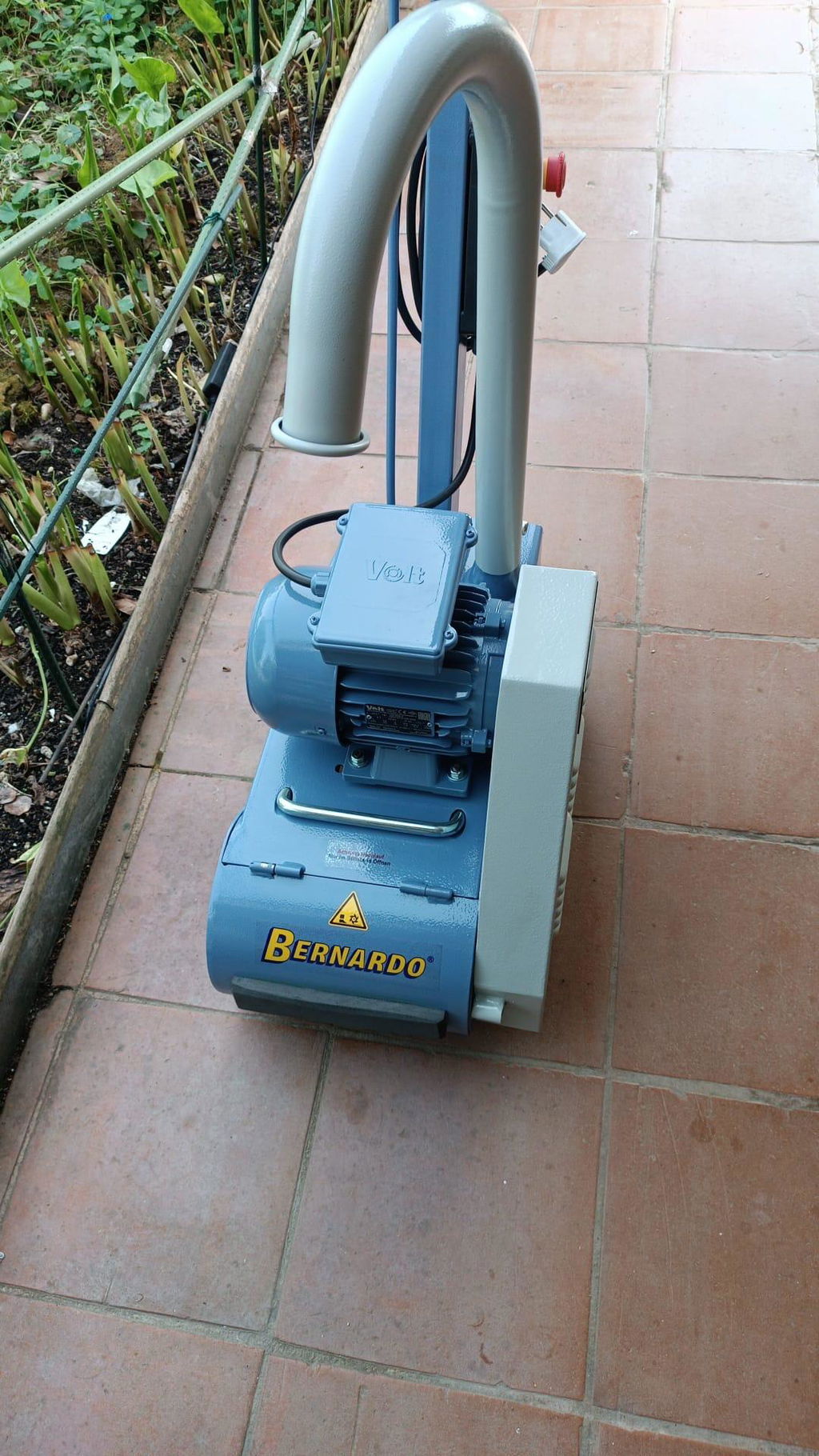
Sandpaper or sander: To smooth the wood and ensure a smooth, professional finish.

Paint or varnish: If you wish to add an aesthetic touch to your holders or protect them further.
With these materials and tools at hand, you'll be ready to build sturdy and customized holders for all your tools. In the next step, I'll show you how to prepare the wood and start building the holders.
1. Material Preparation
Measurement

- Suggested dimensions: for a standard plier holder, you could start with a piece of wood 100 cm x 20 cm x 2 cm.
- Necessary tools: use a tape measure to measure the length and a ruler to check the alignment.
- Procedure: measure and mark the wood every 10 cm to position the individual holders.
Cutting

- Type of saw: use a band saw for a more precise and less strenuous cut.
- Safety tips: wear cut-resistant gloves and safety glasses. Make sure the wood is securely clamped before starting to cut.
Sanding

- Sandpaper grit: use 120-grit sandpaper to smooth rough edges, followed by 240-grit for a smooth finish.
- Details: focus on edges and corners to remove any splinters and roughness.
- Type of saw: use a band saw for a more precise and less strenuous cut.
2. Assembling the holders

-
Design:
- Holder diagram: Use a pencil to draw the rail shape on the wood, including spaces for plier handles.
- Design tips: For a tilted holder, angle the top of the rail about 5 degrees upward to prevent tools from slipping.
-
Drilling:
- Hole sizes: Holes should be 2 cm in diameter, spaced 15 cm apart.
- Drilling technique: Use a drill with an appropriate diameter wood bit. Keep the drill perpendicular to the wood for precise holes.
-
Wall mounting:
- Mounting height: Mount the holder about 120 cm from the floor, a comfortable height for most adults.
- Fastening: Use 5 cm long screws and appropriate wall plugs for the wall type (masonry, drywall, wood).
Tool organization

-
Categorization:
- Tool groups: organize tools by frequency of use and type, placing the most used ones within easy reach.
-
Ergonomic arrangement:
- Height of heavy tools: place heavy tools (like hammers or large wrenches) lower to facilitate access and reduce strain.
-
Use of dividers:
- Divider materials: use rubber or plastic strips to create dividers that keep thin or delicate tools separate, such as screwdrivers or precision pliers.
Conclusion
With this step-by-step guide, your garage will be transformed into an organized and efficient workshop. Customize the holders to fit your specific needs and make the most of every inch of your space. Start your project today and share your progress!